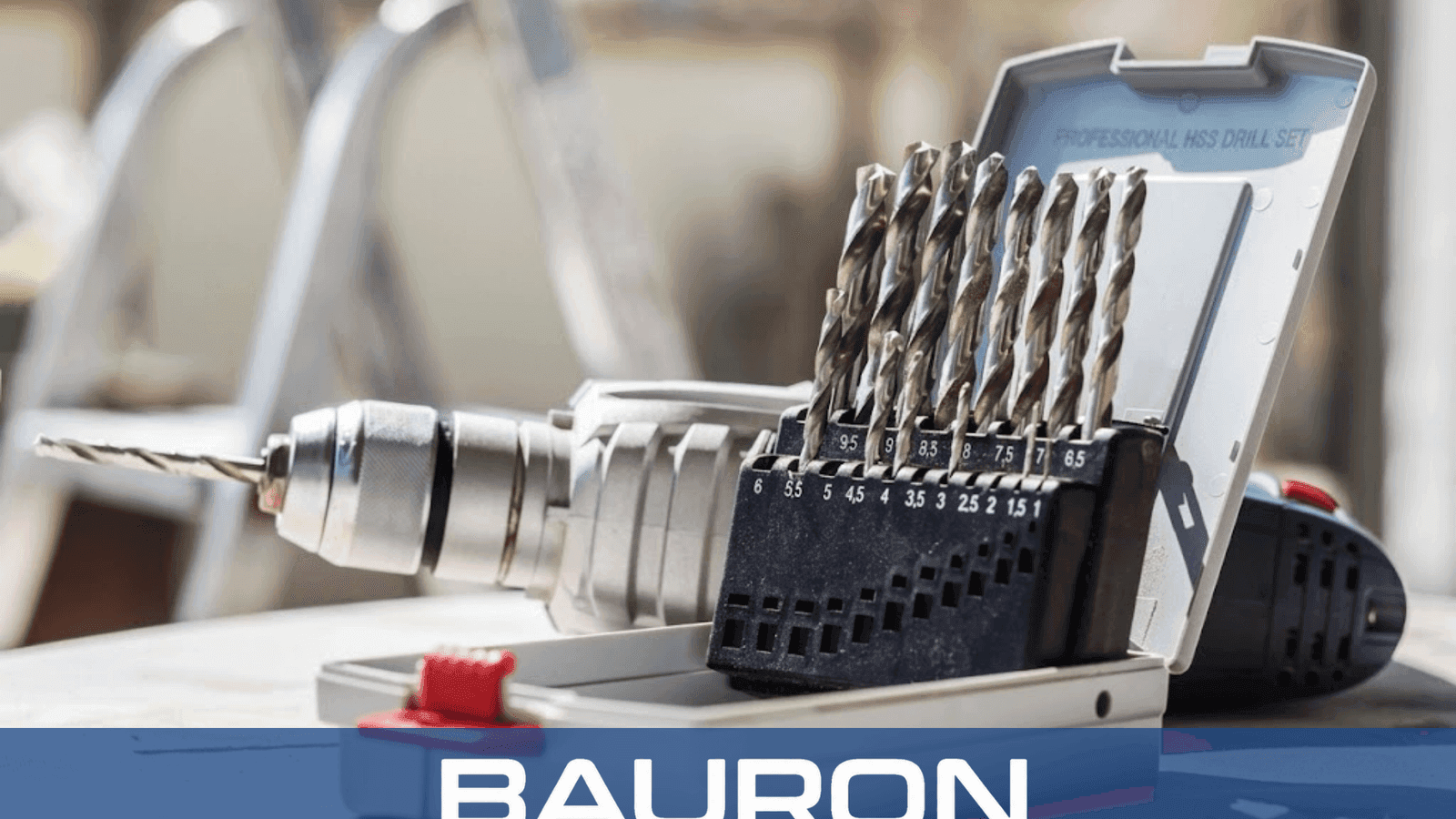
Precision Centering
Low runout supports accurate tool entry and hole placement.

Micro drills are specialized miniature cutting tools designed for intricate machining tasks where standard bits are too large. Operating at high RPM, these delicate tools rely on close concentricity to prevent breakage.
Low runout supports accurate tool entry and hole placement.
At high spindle speeds, the cutting lips shave microscopic layers of material.
Engineered flutes draw tiny chips upward to prevent packing in microscopic cavities.
A standardized, oversized shank fits machine collets securely and supports the tiny cutting diameter.
Supports small hole-size requirements in electronics and precision components.
Typically uses a standard 1/8" or 3 mm shank for secure gripping in CNC collets despite the small cutting diameter.
Micrometer-scale grinding helps limit vibration and runout at high spindle speeds.
Supports the fragile tip against deflection and breakage under feed pressure.
Produces a fine internal finish that can reduce secondary reaming requirements.
| Specification | Range / Details |
|---|---|
| Diameter Range | 0.05 mm to 3.0 mm (Custom small drill sizes available) |
| Flute Design | Standard Spiral, Parabolic, or Straight Flute |
| Shank Diameter | Commonly standardized (for example, 1/8" or 3 mm) |
| Point Angle | 118°, 130°, or 135° Split Point |
| Tolerance | Ultra-precision ground to sub-micron accuracy |
| Operation Type | High-RPM CNC micromachining |
| Material / Coating | Best For | Key Advantage |
|---|---|---|
| Solid Carbide | High-volume micromachining. | Provides rigidity to limit tool deflection and breakage at microscopic scales. |
| Cobalt (HSS-Co) | Tough alloys and manual jeweler operations. | Offers more flex than carbide, reducing snap risk in less rigid setups. |
| TiAlN Coating | Dry cutting and high-temperature alloys. | Reduces friction so microscopic chips can move through the flutes without packing. |
Solid carbide provides rigidity for high-volume micromachining, cobalt HSS adds flexibility for less rigid setups, and TiAlN reduces friction in dry cutting and high-temperature alloys.
High-speed, low-vibration machines designed for sub-millimeter precision.
Support high-volume production of microscopic cylindrical medical and aerospace parts.
High-RPM, sensitive manual presses used in watchmaking and fine jewelry.
Bores via holes for electronic connections while limiting delamination of fiberglass boards.
Machines microfluidic channels and precision ports in surgical instruments and implants.
Creates microscopic pin and gear holes for mechanical watch movements.
Machines precise automotive and aerospace fuel-nozzle spray holes with micro tooling.
The supplied standard range includes diameters down to 0.05 mm. Bauron can review smaller custom diameter requirements for a specific micromachining application.
The cutting tip may be a fraction of a millimeter, while the shank remains at a standard size such as 1/8 inch or 3 mm. This allows secure holding in precision CNC collets and provides rigidity for the fragile cutting tip.
Handheld use is discouraged for true micromachining, especially with brittle solid-carbide bits. Small movements, vibration, or off-axis pressure can snap the bit, so a rigid stationary machine is recommended.
Use a rigid machine with minimal spindle runout, pecking cycles for chip clearance, suitable cutting fluid to reduce friction, and feed and speed values appropriate to the workpiece material.
Bauron can review custom micro drills with application-specific flute lengths, tip geometries, and coatings for aerospace, medical, or electronic components.
Bauron provides design and engineering support for application-specific tooling requirements. Share the geometry, material, coating needs, and machining challenge for technical review.
Talk to Engineering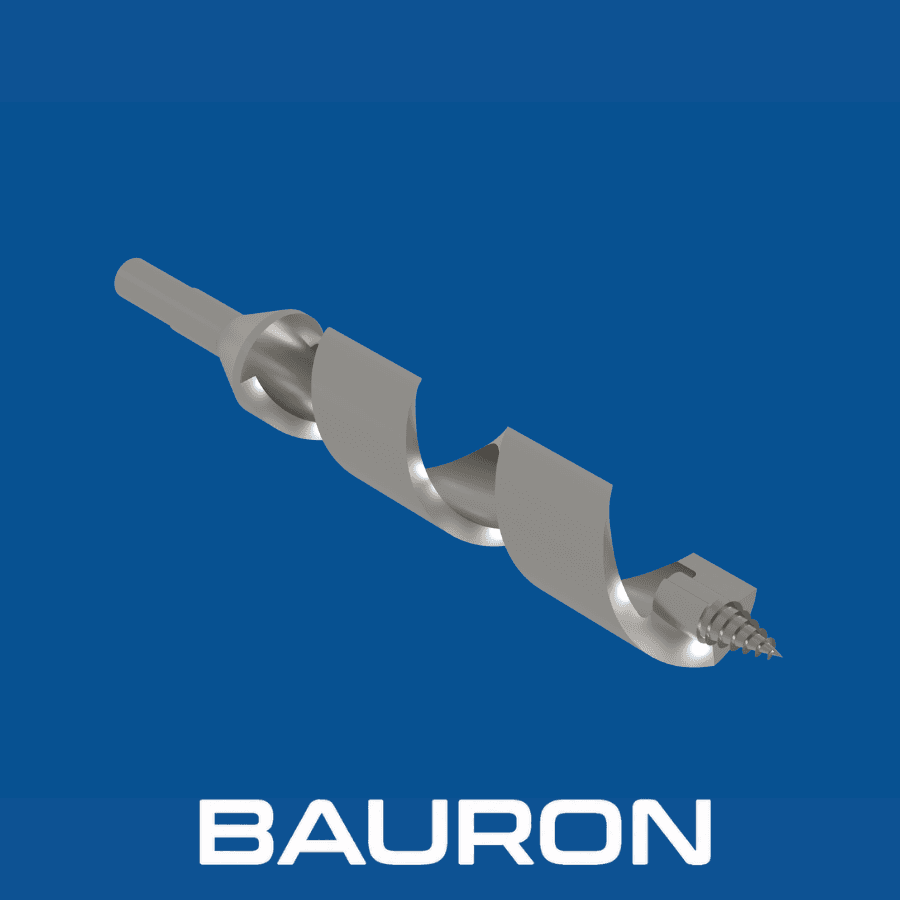
Auger drill bits are specialized, deep-hole cutting tools featuring a screw tip and wide flighting for efficient wood boring.
View Product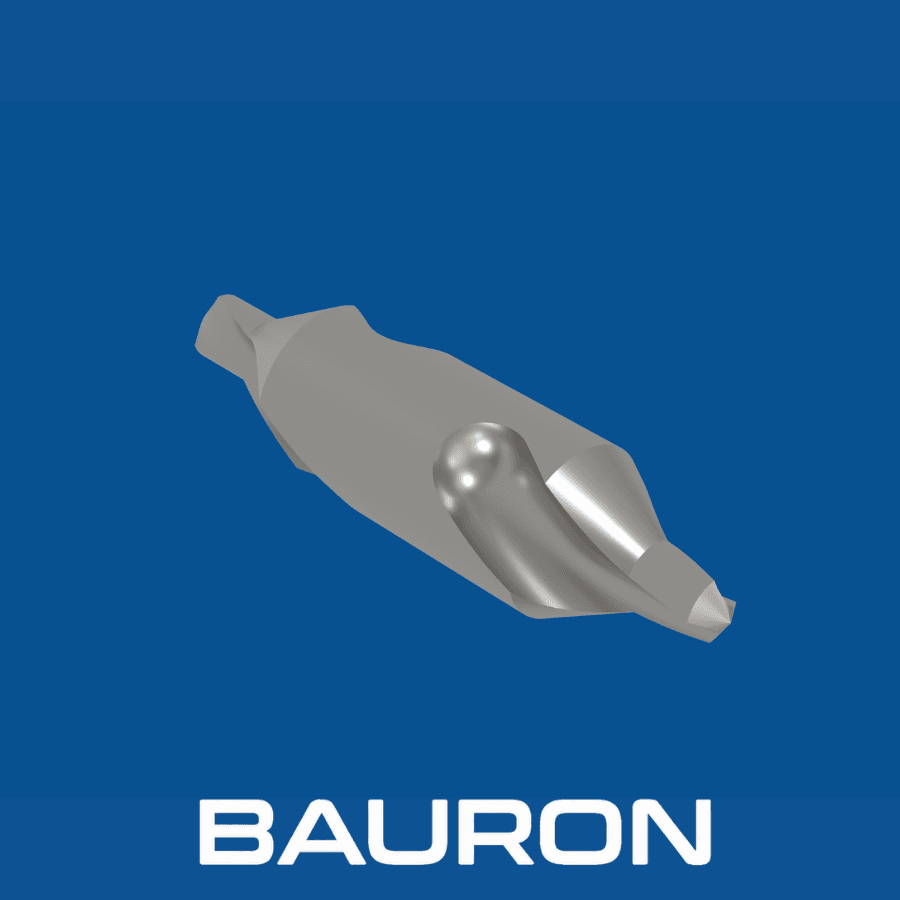
Center drill bits are short, extremely rigid cutting tools used to create precise conical pilot holes for lathe centers or secondary drilling.
View Product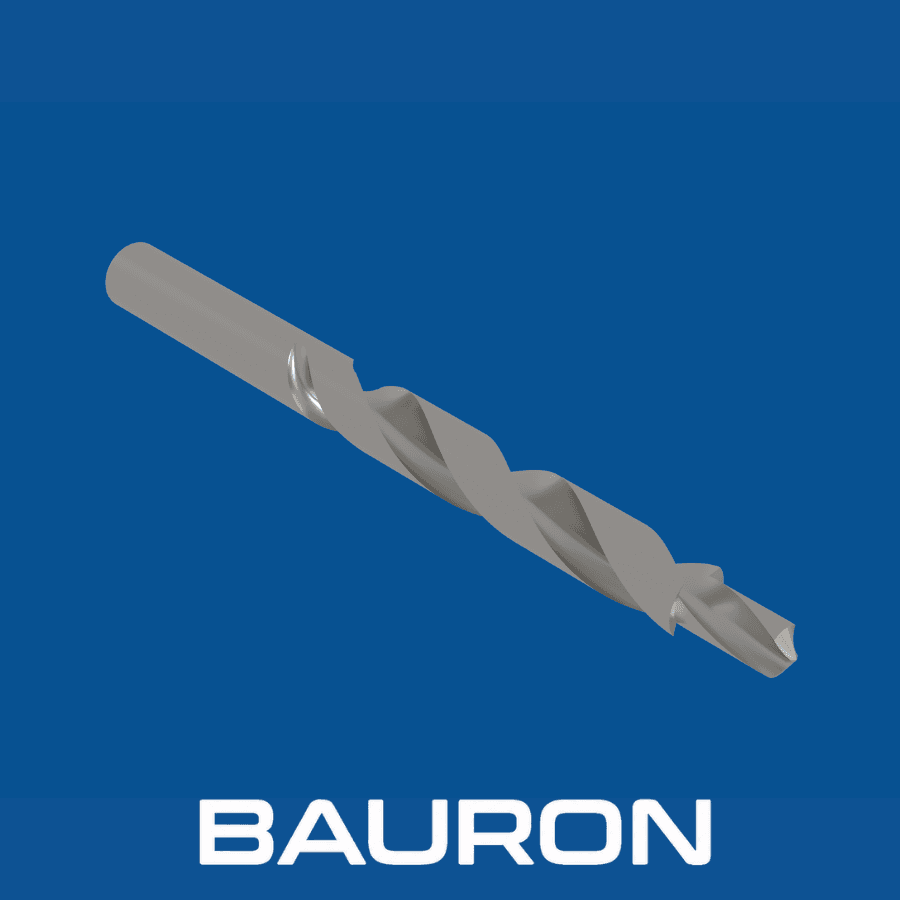
A counterbore drill is a precision cutting tool used to enlarge the top of a pre-drilled hole, creating a flat-bottomed cavity to seat fasteners flush.
View Product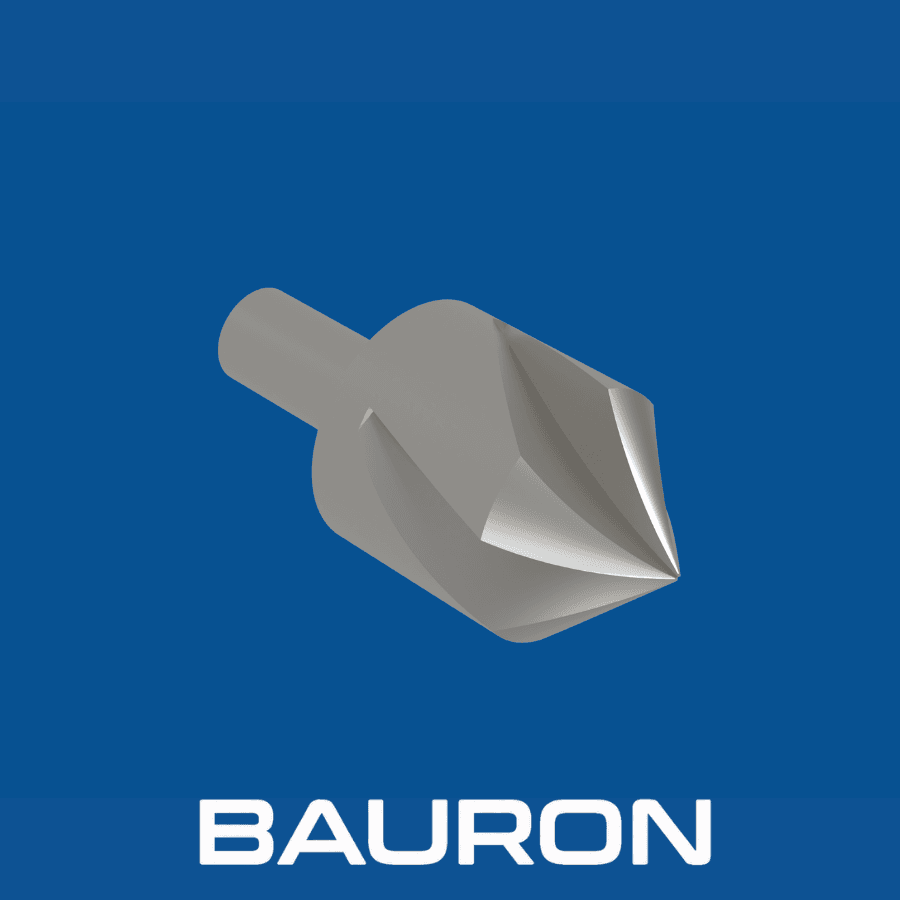
A countersink drill bit is a conical cutting tool used to create an angled recess, allowing flat-head fasteners to sit flush with a surface.
View ProductWork with Bauron's engineering team to develop a cutting tool tailored to your application, material and machining requirements.