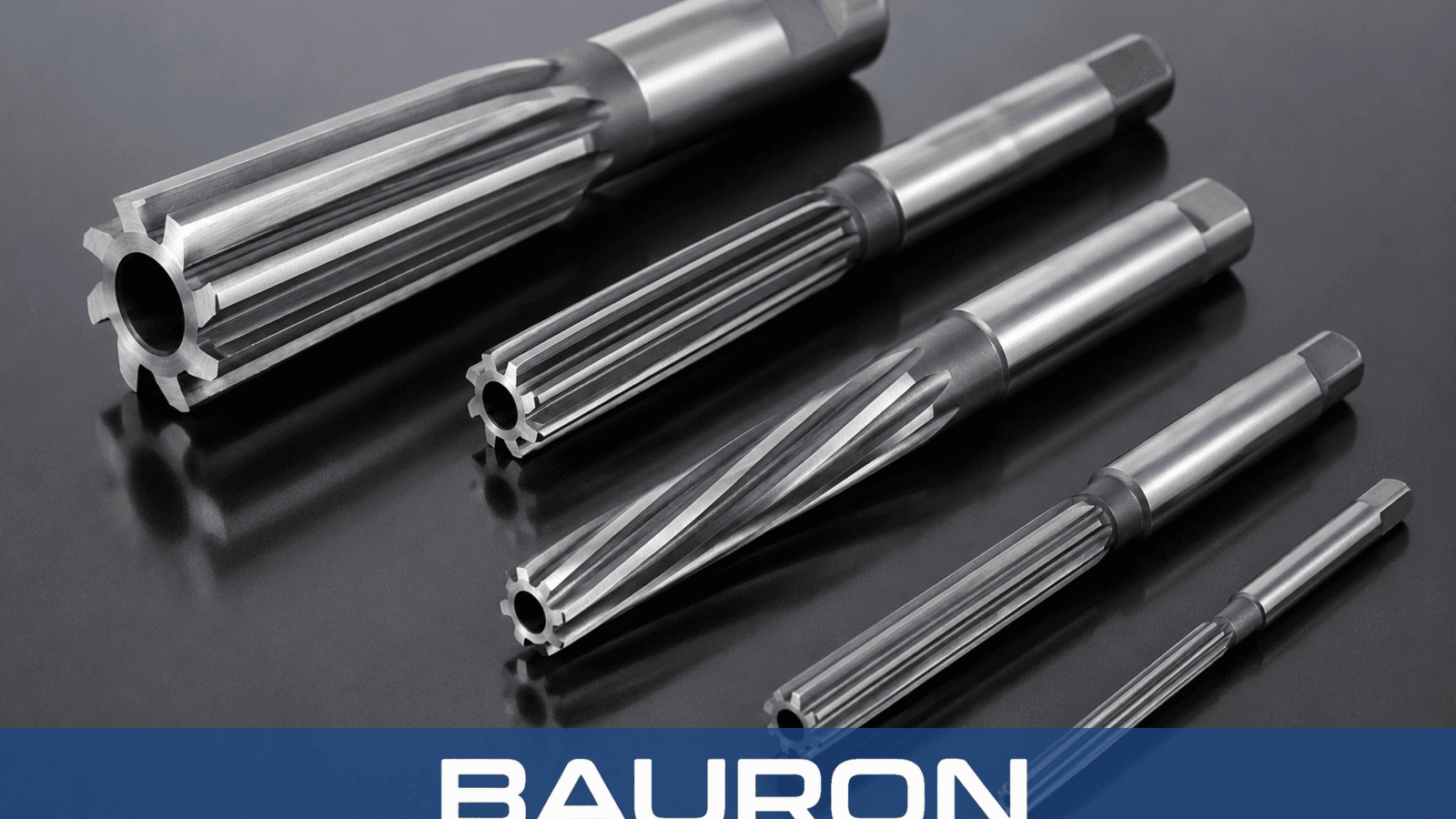
Initial Entry
The long tapered point enters misaligned overlapping holes.

Bridge reamers are robust hole-enlarging tools used in structural steelwork to align overlapping plates before bolting or riveting. Their tapered form addresses pre-drilled holes that do not fully align.
The long tapered point enters misaligned overlapping holes.
Heavy-duty flutes shear metal as the rotating tool advances and widens the opening.
Progressive enlargement brings the openings in the stacked structural plates onto a common bore.
The flute geometry carries heavy chips away from the cutting zone.
Provides gradual entry into substantially misaligned holes.
Is designed for the torque and lateral loading encountered in structural alignment work.
Provides a positive connection in compatible magnetic drills or pneumatic tools.
On right-hand-cut versions, direct chips forward through the hole to reduce chip packing between plates.
Support high material-removal rates during field alignment.
Provides resistance to chipping and breakage in demanding job-site conditions.
| Specification | Range / Details |
|---|---|
| Diameter Range | 1/2" to 1-1/2" for standard structural bolt sizes |
| Flute Geometry | Left-hand spiral, right-hand cut; or straight flute |
| Shank Type | Hex, round with flats, or Morse taper |
| Taper Length | Extended taper for substantial misalignment correction |
| Overall Length | Typically 4" to 12", depending on diameter |
| Operation Type | Rough hole enlarging and structural alignment |
| Material / Coating | Best For | Key Advantage |
|---|---|---|
| HSS (High-Speed Steel) | General structural steel and ironwork. | Provides impact toughness for heavy alignment forces. |
| Cobalt Steel (HSS-Co) | Harder structural alloys and stainless steel. | Adds heat resistance for aggressive or dry cutting operations. |
| Black Oxide Coating | Outdoor job-site environments. | Provides corrosion resistance and helps retain cutting lubricant. |
HSS emphasizes impact toughness, cobalt steel adds heat resistance for harder alloys, and black oxide provides corrosion resistance and lubricant retention.
Provide a stable, portable setup for enlarging holes in large steel beams.
Supply high-torque operation in shipbuilding and other industrial environments.
Drive compatible hex-shank models for field alignment work.
Aligns bolt holes in overlapping I-beams and gusset plates during building construction.
Enlarges holes through heavy steel plates for structural bolts or hot riveting.
Aligns holes in thick hull plates and heavy marine structural supports.
Supports structural chassis hole realignment in heavy equipment.
Aligns holes in steel rail sections and bridge trusses.
Bridge reamers are tapered tools for rough alignment of overlapping structural steel plates. Chucking reamers are solid-body finishing tools used in rigid machine setups for precise final hole sizing.
With right-hand cutting edges, a left-hand spiral pushes steel chips forward through the hole and can reduce binding between overlapping plates.
No. A bridge reamer is intended for structural steel alignment. Removing the wear ridge from an engine cylinder bore requires a purpose-designed cylinder ridge reamer.
Morse taper and specialized Weldon shanks provide secure, concentric gripping for the torque generated while enlarging heavy steel plate holes.
Custom options can include oversized diameters and application-specific taper lengths for non-standard structural fasteners or rivets.
Bauron provides design and engineering support for custom diameters, taper lengths, flute geometries, shank styles, and coatings. Share the structural stack and fastening requirements for technical review.
Talk to Engineering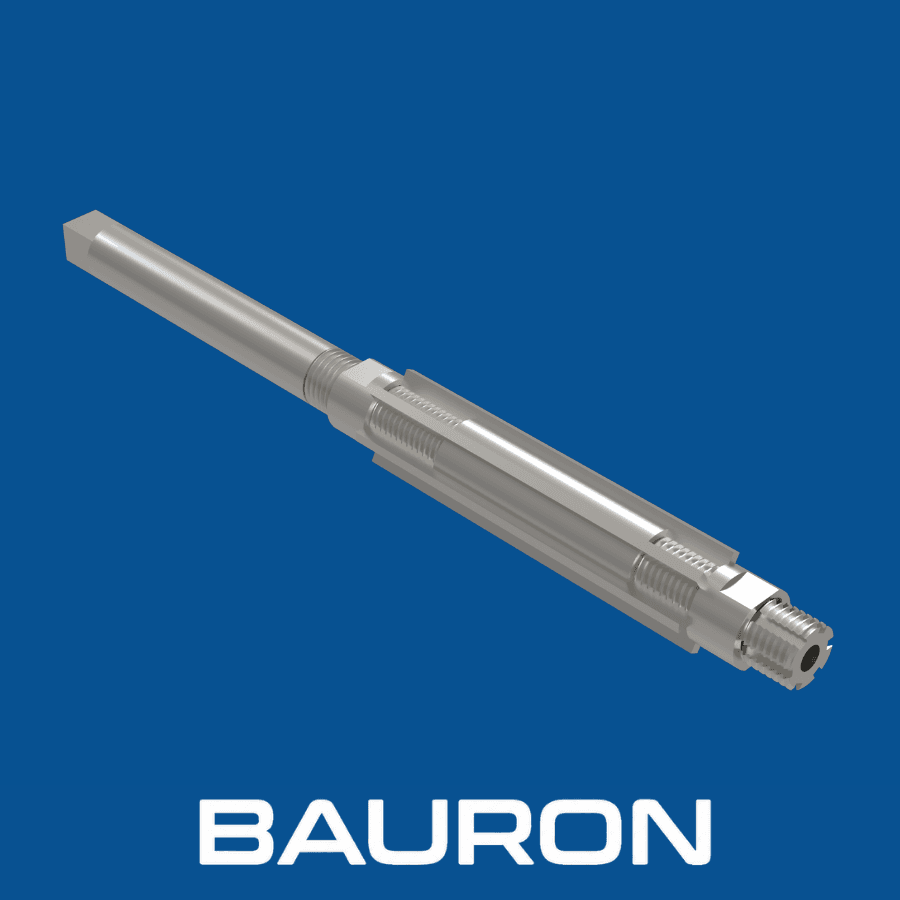
Adjustable reamers are precision cutting tools with expandable blade mechanisms for enlarging and finishing pre-drilled holes to standard or non-standard diameters.
View Product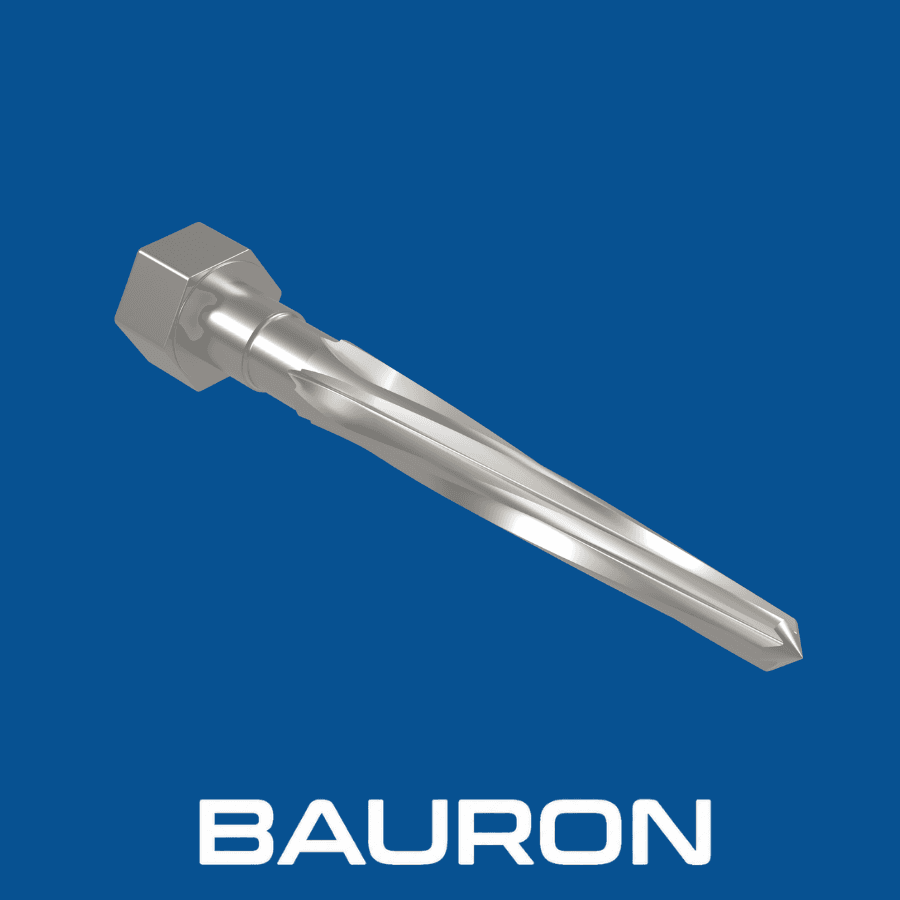
A car reamer is a heavy-duty cutting tool for enlarging and aligning undersized or mismatched holes in thick metal plates, railcars, truck frames, and structural assemblies.
View Product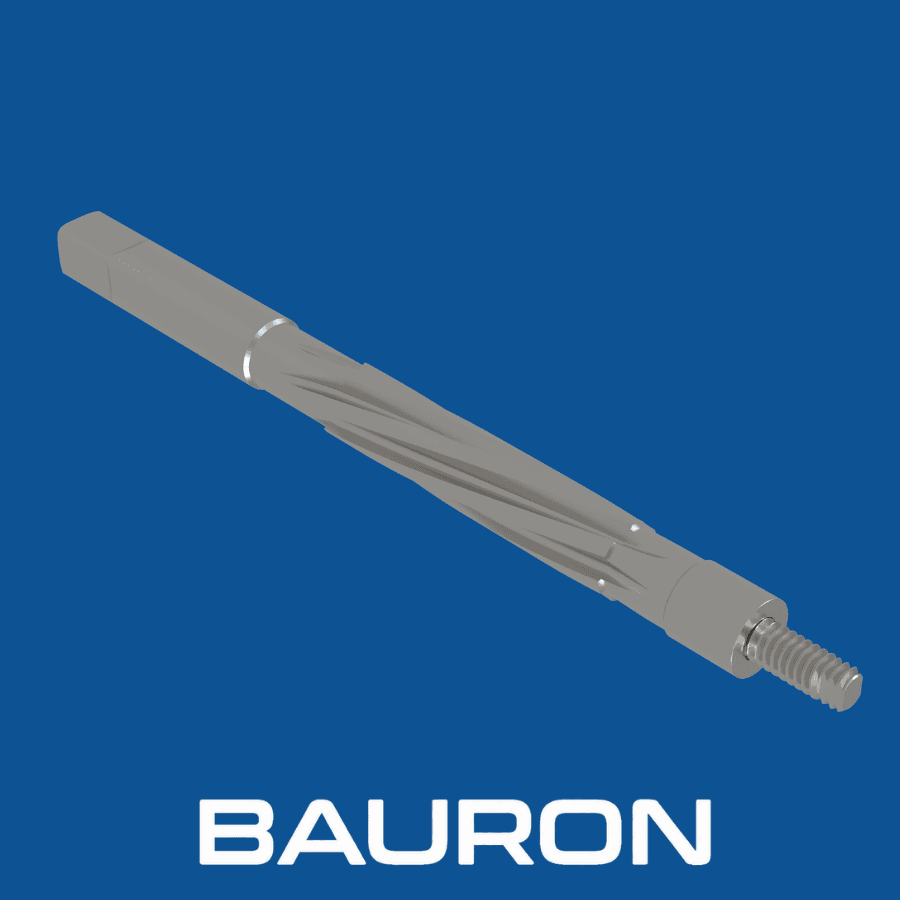
A chamber reamer is a precision cutting tool used to machine the internal cartridge profile of a firearm barrel, including the chamber body, shoulder, neck, and throat.
View Product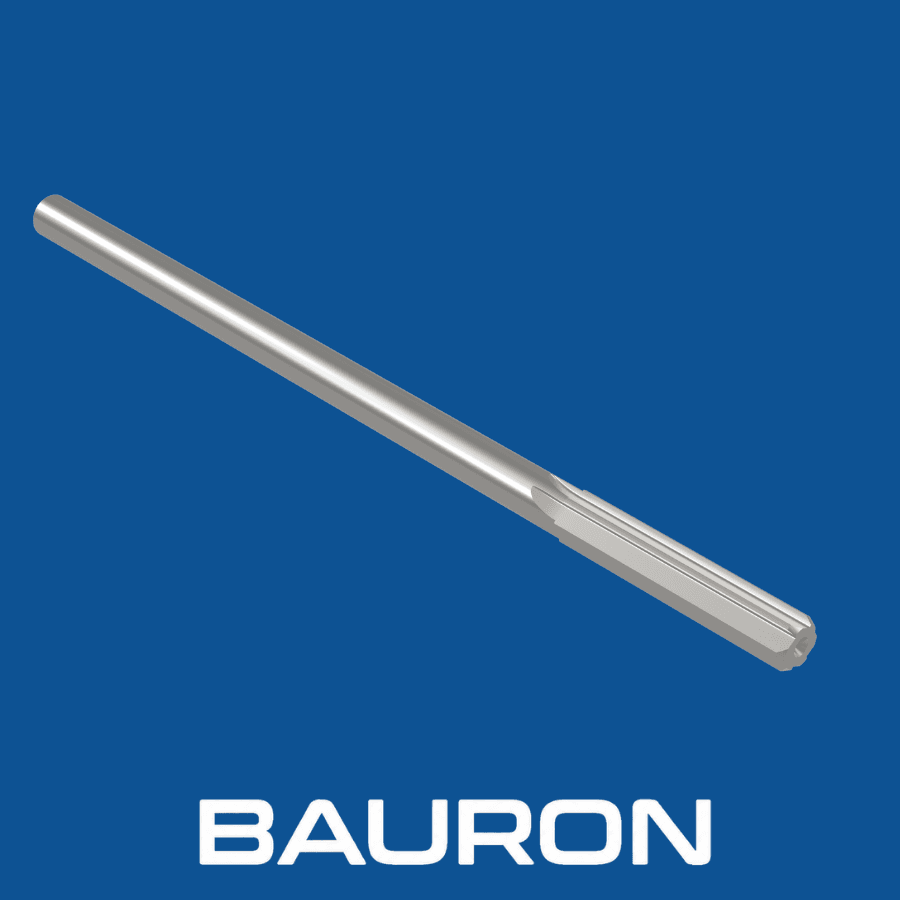
A chucking reamer is a solid-body machine tool with a straight or tapered shank for accurately sizing and finishing pre-drilled holes in production setups.
View ProductWork with Bauron's engineering team to develop a cutting tool tailored to your application, material and machining requirements.