Pilot Alignment
The smooth guide pilot is inserted into the pre-drilled cavity.

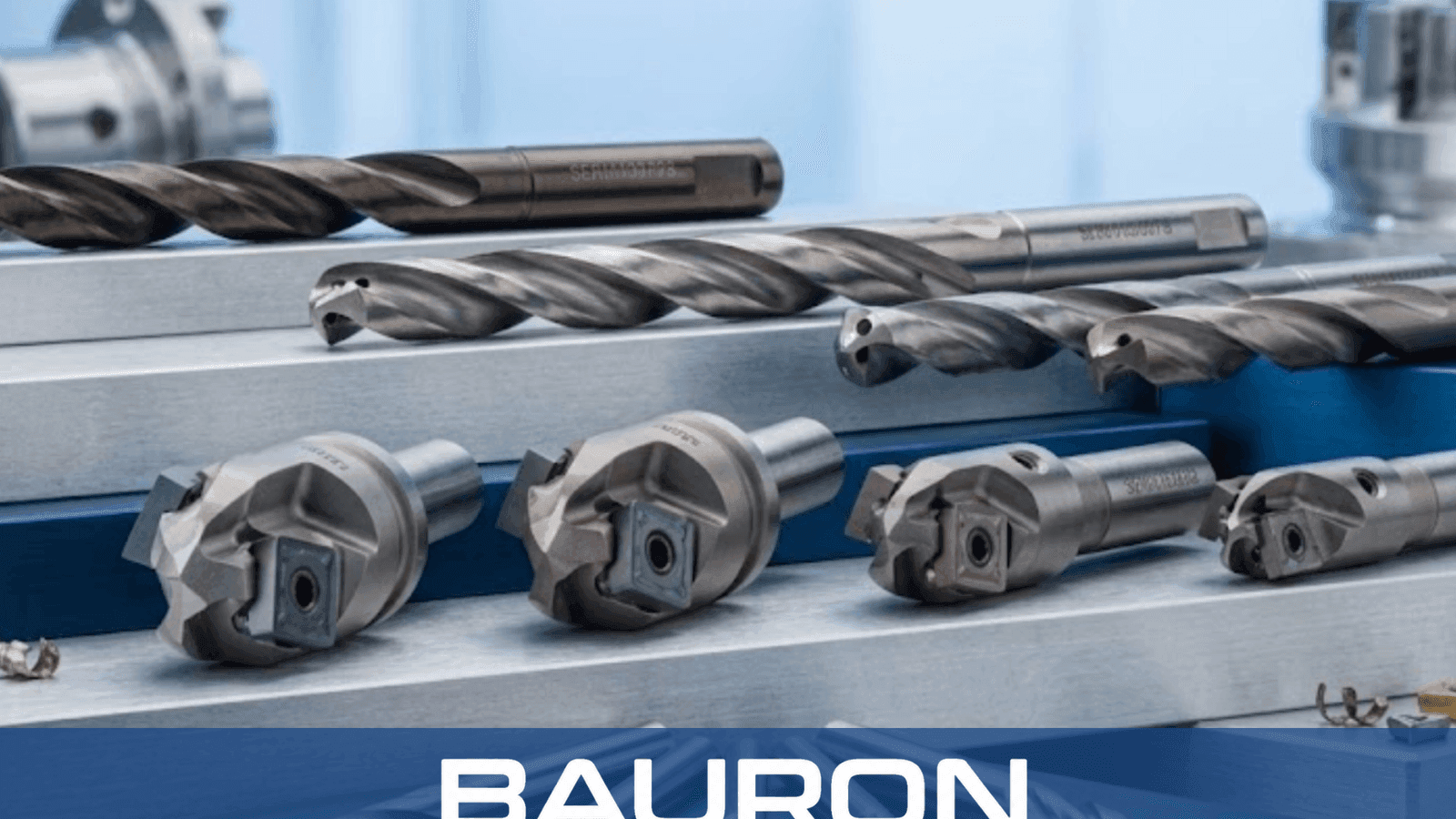
Counterbore drills are specialized secondary cutting tools designed to create flat-bottomed recesses, allowing socket head cap screws to sit flush with or below a workpiece surface. Often referred to as a counter boring drill bit, this tool utilizes a pilot to ensure perfect alignment.
The smooth guide pilot is inserted into the pre-drilled cavity.
The tool advances, strictly following the original centerline.
Flat cutting edges shear the material precisely to the required depth.
Spiral flutes evacuate chips, leaving a perfectly flat, concentric counter bore hole for the fastener head.
Ensures exact alignment for various hole sizes using one counterboring drill bit.
Produces a perfectly flat bottom for secure, evenly distributed fastener seating.
Prevents chatter during heavy material removal operations.
Evacuates chips efficiently to prevent binding in deep recesses.
Delivers accurate cavity diameters for a flawless fit.
Maximizes tool life when used as a heavy-duty metal counterbore bit.
| Specification | Range / Details |
|---|---|
| Diameter Range | 1/8 inch to 2 inches (Matches standard socket head screw sizes) |
| Pilot Type | Fixed pilot or interchangeable pilots available |
| Flute Type | Straight or Spiral Flute |
| Shank Type | Straight, Weldon, or Morse Taper |
| Operation Type | Flat-bottomed recessing |
| Format | Individual tools or complete counterbore bits sets |
| Material / Coating | Best For | Key Advantage |
|---|---|---|
| HSS (High-Speed Steel) | Mild steel, aluminum, and plastics. | Economical choice offering excellent toughness for standard machining. |
| Cobalt Steel (HSS-Co) | Stainless steel and harder alloys. | Superior heat resistance and edge retention during aggressive cuts. |
| Carbide-Tipped | Abrasive materials and CNC production. | Unmatched wear resistance for a high-performance counterbore bit for metal. |
HSS offers toughness for standard machining, cobalt steel improves heat resistance in stainless steel and harder alloys, and carbide-tipped tools provide wear resistance in abrasive materials and CNC production.
Utilized for automated, high-precision flat-bottom hole operations.
Provides vertical rigidity and controlled feed rates for heavy-duty manual counterboring.
Used on-site to countersink heavy structural steel components securely.
Sinks fastener heads flush into machine parts, ensuring smooth, unobstructed surfaces using precise counterbore tools.
Creates clearance for bolt heads on engine blocks and gearbox housings to avoid mechanical interference.
Prepares flat-bottomed recesses in structural aircraft components to maintain crucial aerodynamic profiles.
Allows assembly bolts to sit completely below the mold surface during heavy injection molding cycles.
A counter boring drill bit creates a flat-bottomed cylindrical recess designed to seat socket head cap screws or hex bolts. A countersink creates a conical recess with an angled bottom, designed specifically for flat head screws to sit flush with the surface.
Yes, the pilot is essential. It guides the metal counterbore bit into the existing pre-drilled hole to keep the new flat-bottomed cavity concentric with the original hole and prevent the drill from wandering.
Yes, many industrial-grade counterbores feature interchangeable pilots. This design allows the same cutting body to be used for various inner hole diameters by swapping the pilot guide.
No. Counterbores are secondary finishing tools. The primary clearance or tapped hole must be drilled first so the pilot guide has a path to follow. Without a pilot hole, the tool cannot center itself.
For tough, work-hardening metals like stainless steel, a Cobalt (HSS-Co) or Carbide-Tipped counterbore bit for metal is recommended because these materials withstand increased heat and abrasive wear better than standard High-Speed Steel.
Bauron provides design and engineering support for application-specific tooling requirements. Share the geometry, material, coating needs, and machining challenge for technical review.
Talk to Engineering